


Why Are My Philodendron Leaves Turning Yellow or Brown? Learn How to Fix It
Philodendrons, or Philodendron spp., are great ornamental plants from Central and South America. They require little attention and add a native tropical feel to your home with their large, green, and glossy leaves.

Philodendrons, or Philodendron spp., are great ornamental plants from Central and South America. They require little attention and add a native tropical feel to your home with their large, green, and glossy leaves.
As with other houseplants, you may notice your Philodendron leaves turning yellow or brown, or suddenly curl or droop. These symptoms often indicate underlying issues that, if not fixed, can threaten your plant's health.
In this guide, we'll explore all possible causes of various leaf issues in Philodendrons, along with actionable tips to help you identify, prevent, and rectify them. Let's start without further ado.
About Philodendrons

Philodendrons are popular indoor plants. Their lush foliage and easy-care needs make them favorites among novice plant owners.
Belonging to the Araceae family, these tropical plants originate from the rainforests of Central and South America, where they thrive in warm, humid environments. Their striking foliage comes in various shapes, sizes, and colors, adding a touch of tropical elegance to any indoor space. Outdoors, Philodendrons thrive in USDA hardiness zones 9 to 11.
Some popular varieties of Philodendrons include Philodendron Cordatum, boasting cute heart-shaped leaves, the variegated Philodendron Pink Princess with striking pink-tinted foliage, or the cascading Philodendron Vine (Lemon Vine) with its changing colors and trailing vines. Last but not least, comes the rare and exotic Philodendron 'Prince of Orange,' a much-wanted variety for its unusual and eye-catching copper-orange foliage.
Philodendrons need moderate watering and bright, indirect light. When those needs are not met, the usual results are yellow or brown leaves, curling, drooping, root rot, and pests.
Common Philodendron Leaf Problems: Causes & Solutions
Philodendron Leaves Turning Yellow: Reasons and Fixes

Start with which leaves are yellow. One old, low leaf is normal; yellowing across the plant points to a care problem.
Why Are My Philodendron Leaves Turning Yellow?
Match the sign to the cause:
- Overwatering: leaves turn yellow and limp while the soil stays wet.
- Direct sunlight: faded or scorched yellow patches on the sunniest leaves.
- Very low light: slow growth and yellowing leaves.
- Nutrient deficiency: pale leaves on a plant that has not been fed or repotted in a long time.
- Pests: speckled yellowing, sometimes with fine webbing.
- Over-fertilization: yellowing after frequent or full-strength feeding.
- Aging: one or two of the oldest, lowest leaves yellow as new ones grow.
How to Fix Yellow Leaves on Philodendron?
A Philodendron plant doesn't like sitting in water, hence, it’s important to remove any excess water from the plant’s decorative pot or saucer. Overwatering is the most common cause of a yellowing Philodendron. The best practice says to water your plant only when its top layer of soil appears dry. Use chemical-free ‘overnight’ water for best results.
Since the delicate foliage of Philodendrons doesn't do well under the harmful rays of direct sun, it’s best to move your plant to a spot with bright, indirect light.
To avoid overfeeding your Philodendron, use half-strength balanced liquid fertilizer only in the growing season.
If your plant has been living in the same soil for a long time, it's likely to get depleted of essential nutrients. The solution is repotting your Philodendron in a fresh, nutrient-rich potting mix.
Why Is My Philodendron Turning Brown?

Philodendron Leaves Turning Brown: Reasons
Brown spots on Philodendron leaves are mostly a result of:
- Underwatering/overwatering
- Pests and bacterial diseases
- Nutritional deficiency
- Overexposure to sunlight
- Extreme temperature
What to Do When Philodendron Leaves Turn Brown?
To fix brown leaves on a Philodendron, adjust your watering routine. Ensure the soil is well-draining and water only when the top layer of the soil feels dry. Use a pot with drainage holes to prevent water accumulation around the root system. On that note, underwatering your plant can also lead to brown tips, so don’t leave it thirsty for prolonged periods.
Your Philodendron will also benefit from medium to high humidity around it. Thus, mist its leaves regularly, use a humidity tray, or turn on a humidifier nearby. Additionally, keep your plant away from drafts and heating vents.
Protect your Philodendron from hot temperatures and direct sunlight to prevent browning leaves.
Also, inspect the plant for pests or diseases and treat it with appropriate insecticides or fungicides.
Why Are My Philodendron Leaves Curled?

Your Philodendron leaves may be curled for several reasons, including dry soil, low humidity, watering with heavily chlorinated tap water, and hot temperatures. Curling leaves in plants is a natural defense mechanism against moisture loss. So, once you identify the exact reason, you can fix the issue more easily.
How Do You Uncurl Philodendron Leaves?
To uncurl your Philodendron's leaves, ensure consistent watering (especially during the hot summer days), maintain high humidity around your plant through misting or using a humidifier, and provide bright, indirect light. Checking for pests and ensuring a proper balance between soil water retention and drainage will also help promote healthy foliage in your plant.
Philodendron Leaves Drooping: Reasons and Solutions
Your Philodendron may be drooping or wilting, due to inconsistent watering, low humidity, heat or cold-related stress, over-fertilization, transplant shock, and pests. Low-light conditions can also cause your Philo plant to droop.
How Do You Fix a Droopy Philodendron?
To address your droopy Philodendron, check the soil moisture. Since overwatering or underwatering can both cause drooping, ensure the soil is slightly moist but not waterlogged. Improve drainage if needed. Also, provide your green companion with bright, indirect light and maintain a consistent temperature without extreme fluctuations.
Finally, fertilize once during the growing season to encourage healthy growth and prevent overfeeding.
Other Common Philodendron Issues
Some other common issues associated with this beautiful plant include:
- Philodendron leaves turning mushy: Mushy leaves are mostly caused by overwatering or root rot. Moderating your watering routine and inspecting your plant's roots for rot is recommended. You may need to repot your Philodendron in fresh soil after cleaning the roots.
- Philodendron burnt leaves: Exposure to direct sunlight is the primary cause of your Philodendron's burnt leaves. To fix this, move your plant to a spot with bright but indirect sunlight.
- Philodendron pests and diseases: These plants often face pests like spider mites and aphids, and diseases like fungal root rot or bacterial leaf spot. Reduce watering and improve drainage to minimize the risk of diseases. Pests can be managed with insecticidal soap or neem oil and regular plant inspection.
How Do You Revive a Philodendron?

Follow these care tips to revive a dying Philodendron:
- Trim any damaged leaves and stems.
- Place your plant near a sunny window, which receives bright but indirect sunlight.
- Keep the environment slightly humid.
- Feed your Philodendron once or twice during the growing season.
- Regularly hydrate your plant to prevent it from drying.
- Repot your Philo plant in fresh soil if you suspect root rot.
- Use a well-draining nutrient-rich soil mixed with a bit of perlite.
Philodendron Leaf Problems: FAQs
Q: Should you cut off yellow or brown philodendron leaves?
A: Yes. Brown leaves are unlikely to turn green again, and an old yellow leaf will drop on its own, so trimming either is fine. Trim them just above the nodes to encourage the growth of new healthy leaves.
Q: How can you tell if a philodendron is overwatered?
A: The leaves turn yellow and limp, the soil stays soggy, and the roots turn soft and mushy. Let the soil dry out before you water again.
Q: How do you know if your Philodendron is underwatered?
A: Your Philodendron is underwatered if its leaves turn yellow and brown from the tips. The foliage may also start to drop if your plant is thirsty. Hydrate your plant thoroughly as soon as possible.
Q: How do I know if my Philodendron has spider mites?
A: If your Philodendron has spider mites, you may notice fine ‘webbing’ on the leaves, discoloration on the foliage (brown and yellow spots), and a general decline in the plant’s health.
Q: How do you make a Philodendron bushier?
A: Trim leggy Philodendrons to promote bushier growth. Overgrown vining varieties will also benefit from regular pruning. Cut back your cascading plant if the vines have become too long. You can use some of the cutting to propagate your Philodendron.
Related: Pothos vs Philodendron: Key Differences and Similarities
Conclusion
Most yellow or brown philodendron leaves come down to water, light, or feeding. Fix the cause first, then trim the damaged leaves. For full care specs, see our philodendron care guide.
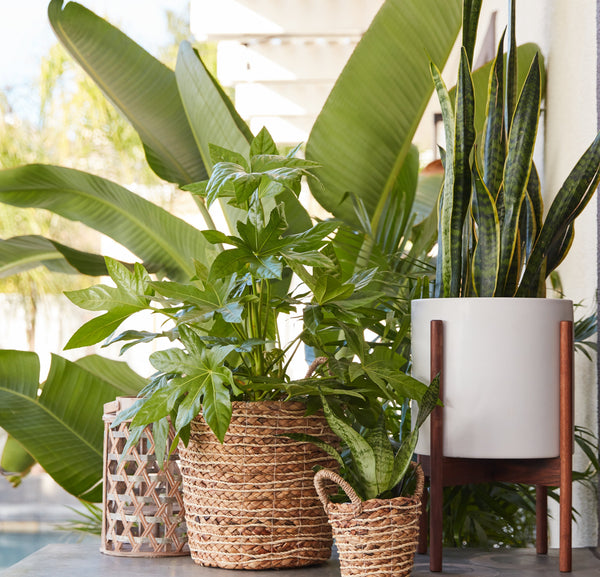
Luckily, most of these problems are fixable by making small adjustments to your plant’s care routine. In addition, grouping your Philodendrons with other green companions, such as the Chinese Money plant, Areca palm, or the stunning Burgundy Rubber tree can be beneficial, as this helps maintain good humidity levels around them.




Leave a comment